
No distributor takes delivery without it, and it is the last thing producers think of.Founded by an Emmy-nominated television editor.
Media errors and omissions covers claims arising from the content itself: copyright, trademark, defamation and rights clearance. Every distributor and streamer requires it before accepting delivery.
Tell us the situation.
One licensed human replies the same business day — not five agents, not an auto-responder. If the policy you have is already the right one, we will tell you.
We use this to quote and service your insurance, and we do not sell it or pass it to lead networks. Privacy policy.
We were editing television long before we were insuring it.
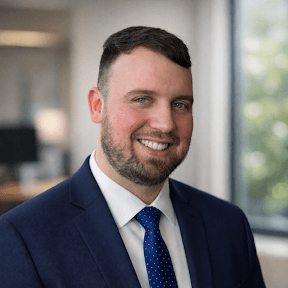
Kevin Kelsey
Founder | Principal Agent
IATSE Local 700 member
Boring’s founder, Kevin Kelsey, edited television for fifteen years before he sold a policy. He was Emmy-nominated for The Muppets Mayhem, cut Shark Tank, Big Brother, Dancing with the Stars and Wheel of Fortune, and handled compliance and risk for some of Hollywood’s largest production companies. So the person building your coverage has been on a crew list, dealt with the permit offices, and met network and streamer requirements from the production side, rather than working from a rate manual. He also builds post-production software. Manifest Post is the board episodic post teams use to track every episode, and B/side is a video editor for people who cut together. He holds a number of patents on that software. So he knows the post side of a production as a vendor to it. We insure productions from Los Angeles to Atlanta, New York and Toronto, with worldwide and foreign production coverage.
The work is placed with the markets that actually write film, television and live entertainment — Zurich through ISC Entertainment (formerly Abacus), Philadelphia Insurance Companies, Take1 and Alive Risk — rather than with a general small-business carrier asked to try.
Send us what you have. We’ll tell you if it’s right.
Your current policy paperwork, a renewal notice, or nothing at all. A licensed agent reads it and replies the same business day.
What media errors and omissions actually covers.
Copyright and trademark
Claims that the production used protected material without the right to.
Without it — A cleared-in-error music cue or logo can stop a release outright.
Defamation and privacy
Claims by a person depicted in or identifiable from the production.
Without it — A documentary subject’s claim lands on the producer personally.
Rights clearance failures
Claims that underlying rights, releases or licenses were incomplete.
Without it — Delivery is refused and the deal stalls until it is resolved.
Where media errors and omissions shows up.
- Film & Entertainment
No distributor or streamer takes delivery of a finished film without it.
- Television Production
Networks and platforms require it before delivery, and unscripted formats carry release and privacy exposure a drama does not.
- Touring Artists & Bands
Recorded and streamed shows are published content with their own rights exposure.
- Music Video Production
Labels and platforms require it before they will accept delivery of the finished piece.
- Labels, Agents & Managers
Releasing and licensing content brings rights, clearance and defamation exposure directly to the company that published it.
- Feature Films
No distributor accepts delivery without it, and it has to stay in force for years afterwards.
- Arts & Cultural Nonprofits
Unlicensed music or an unlicensed script is a claim, and it is a common one in community theater.
What clients with media errors and omissions ask us.
When should I buy it?
While you are still in post, not after a distribution deal is signed. Underwriters want to see the clearance work — chain of title, releases, music licenses, a legal review for anything contentious — and assembling that under deal deadline pressure is where productions lose weeks. It is also cheaper to fix a clearance gap before someone is waiting on delivery.
How long does it need to run?
Distribution agreements commonly require three years, sometimes longer, and the policy has to stay in force for that period rather than just through delivery. Check the term the agreement asks for before you buy a one-year policy.
I run a channel or a podcast rather than delivering a title. Is this the policy?
Usually not. This form is written per title, around a delivery to a distributor, with a clearance review of that one production. A channel, a podcast or a publisher is publishing continuously, and is written on an annual media liability policy that covers everything released during the year with a retroactive date reaching back over the catalog. The claims are the same — copyright, defamation, privacy, publicity — but the policy is a different shape, and when a streamer licenses a channel it is the annual form and its limit that the agreement names.
Will a distributor accept film E&O on a picture made with generative AI?
The distributor’s requirement does not change; the underwriter’s questions do. A per-title E&O policy on an AI-assisted picture is placeable when the clearance report can show what the models were, what human-made material went into them, that no real person’s face or voice was generated without a release, and that music and stock came from licensed libraries. Expect the carrier to ask for the tools list and the vendor terms beside the title report, and to price the training-data question that nobody can answer.
Commercial insurance is 96% of what we do — it is not a department here, it is the whole business. Not ready to talk? The guides answer the questions this page raises in more depth. Already insured with us and need a certificate or a policy change? Ask the service team rather than starting a quote — it is faster and it goes to the people whose job it is. We also write home and auto, which is usually cheaper alongside the business policy than apart from it.
Handed a lease, a vendor packet or a client contract with insurance requirements? Paste it into the COI Requirements Decoder to see what each one means for your business, or read what the requirements mean.