
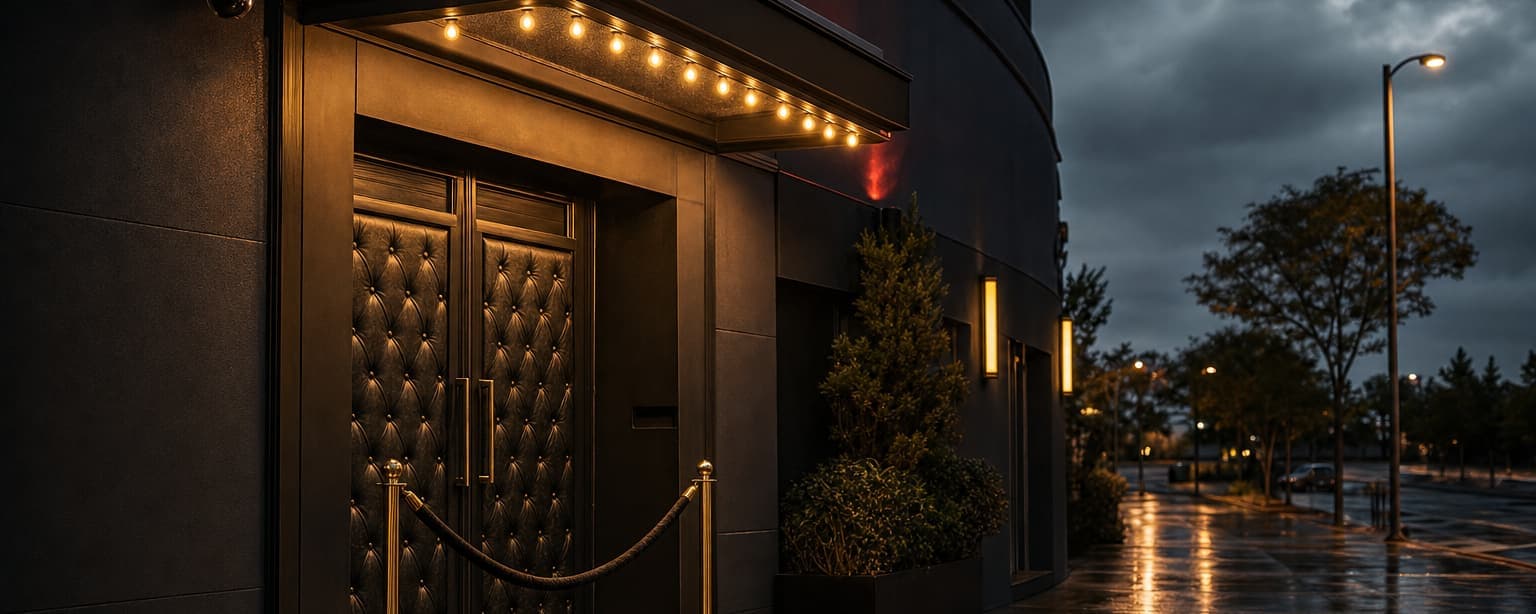
A fight is an intentional act, and general liability excludes intentional acts.
Assault and battery coverage buys back the exclusion that removes the claim a late-night venue is most likely to face. A fight is an intentional act.
Tell us the situation.
One licensed human replies the same business day — not five agents, not an auto-responder. If the policy you have is already the right one, we will tell you.
We use this to quote and service your insurance, and we do not sell it or pass it to lead networks. Privacy policy.
Send us what you have. We’ll tell you if it’s right.
Your current policy paperwork, a renewal notice, or nothing at all. A licensed agent reads it and replies the same business day.
What assault and battery actually covers.
Patron-on-patron incidents
Injury from a fight on your premises, and allegations that your staff failed to prevent it.
Without it — The most common serious claim in hospitality is the one most often uninsured.
Acts of security staff
Claims arising from how a door team or security contractor handled someone.
Without it — An ejection that goes wrong is an intentional act and falls straight into the exclusion.
Where assault and battery shows up.
- Restaurant
A fight is an intentional act, and general liability excludes intentional acts, so the claim a late-night venue is most likely to see is the one it is least likely to be covered for.
- Bar
A fight is an intentional act, and general liability excludes intentional acts, so the most likely claim in the building is the one most likely to be denied.
- Tavern
A shove at closing time is an intentional act, which general liability excludes whether or not you employ door staff.
- Nightclub
A fight is the defining claim of this class, and general liability excludes intentional acts outright.
- Security Guard Companies
A standard general liability policy excludes intentional acts, and physical intervention by a guard is exactly that. The coverage puts it back.
- Music Festivals
Crowd management, security contractors and alcohol together produce the claim general liability sublimits.
- Event Promoters
Crowd incidents are the claim most likely to be sublimited on an event policy.
- Hotels, Motels & B&Bs
Frequently excluded or sublimited, and a defining hospitality claim.
- Homeless Shelters and Transitional Housing
Many forms exclude assault and battery outright, which removes the claim a congregate shelter is most likely to face.
What clients with assault and battery ask us.
We use a licensed security contractor. Are we covered by theirs?
You will still be named, and being named is what costs money. Get named as an additional insured on their policy and check their limits, but do not treat that as a substitute for your own coverage, because their policy protects them first and can be exhausted or declined without regard to your position.
Why is it often sub-limited?
Because carriers price it tightly. It is common to see assault and battery capped well below the general liability limit — $50,000 or $100,000 against a $1M policy — and the sub-limit is easy to miss on a quote comparison. If two quotes look close, this is one of the first places to look for the difference.
Commercial insurance is 96% of what we do — it is not a department here, it is the whole business. Not ready to talk? The guides answer the questions this page raises in more depth. Already insured with us and need a certificate or a policy change? Ask the service team rather than starting a quote — it is faster and it goes to the people whose job it is. We also write home and auto, which is usually cheaper alongside the business policy than apart from it.
Handed a lease, a vendor packet or a client contract with insurance requirements? Paste it into the COI Requirements Decoder to see what each one means for your business, or read what the requirements mean.